The National Independent Human Rights Commission of Somalia (NIHRC) is the constitutionally mandated institution responsible for the promotion, protection, monitoring, and advancement of human rights throughout the Federal Republic of Somalia. The Commission stands as one of the most important pillars of Somalia’s constitutional architecture, embodying the State’s commitment to human dignity, justice, equality, and the rule of law.
The Commission exists to serve all people of Somalia, without discrimination, and to act as an independent guardian of rights and freedoms guaranteed by the Constitution, national laws, Islamic principles of justice, and international human rights standards.
The foundations of the National Independent Human Rights Commission were laid with the adoption of the Provisional Constitution of the Federal Republic of Somalia in August 2012. For the first time in decades, Somalia formally entrenched a comprehensive Bill of Rights, recognising fundamental civil, political, economic, social, and cultural rights for all persons.
Crucially, the 2012 Provisional Constitution went beyond declaratory rights by mandating the creation of independent constitutional commissions to safeguard these rights in practice. Among these was the requirement for an Independent Human Rights Commission, designed to operate separately from the Executive and political influence, and to serve as a watchdog over state conduct.
This constitutional choice reflected Somalia’s determination to break with past abuses, rebuild trust between the State and its citizens, and align itself with international norms such as the Paris Principles on National Human Rights Institutions.
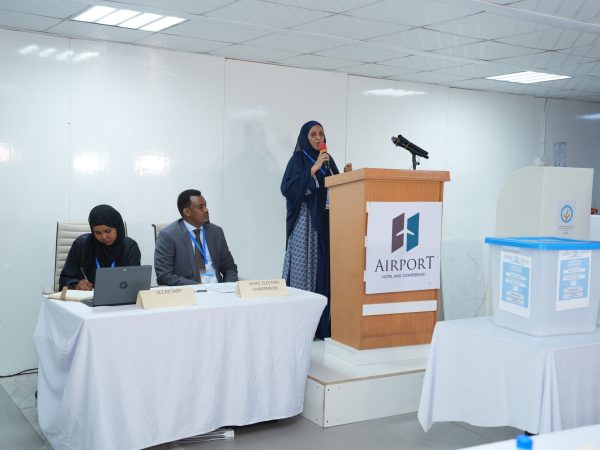
On February 4, 2026, the Commission reached a major institutional milestone by electing its first official leadership.
This move formally operationalized the Commission’s governance structure, ensuring its long-term strategic direction and strengthening its ability to carry out its official mandate.
After years of constitutional commitment and legal groundwork, the process to operationalise the Commission reached a decisive turning point in 2025, reflecting renewed national consensus on the centrality of human rights to Somalia’s state-building process.
After years of constitutional commitment and legal groundwork, the process to operationalise the Commission reached a decisive turning point in 2025, reflecting renewed national consensus on the centrality of human rights to Somalia’s state-building process.
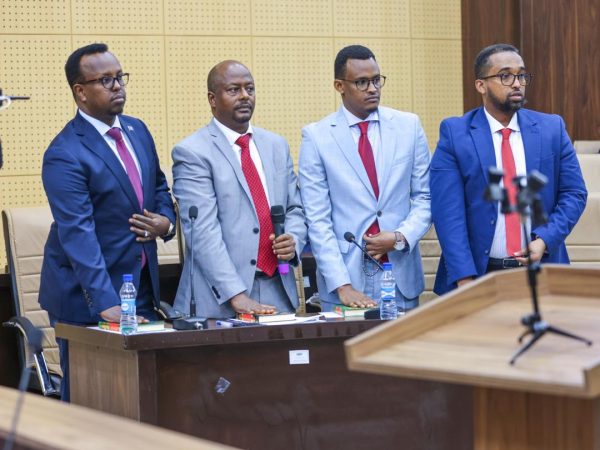
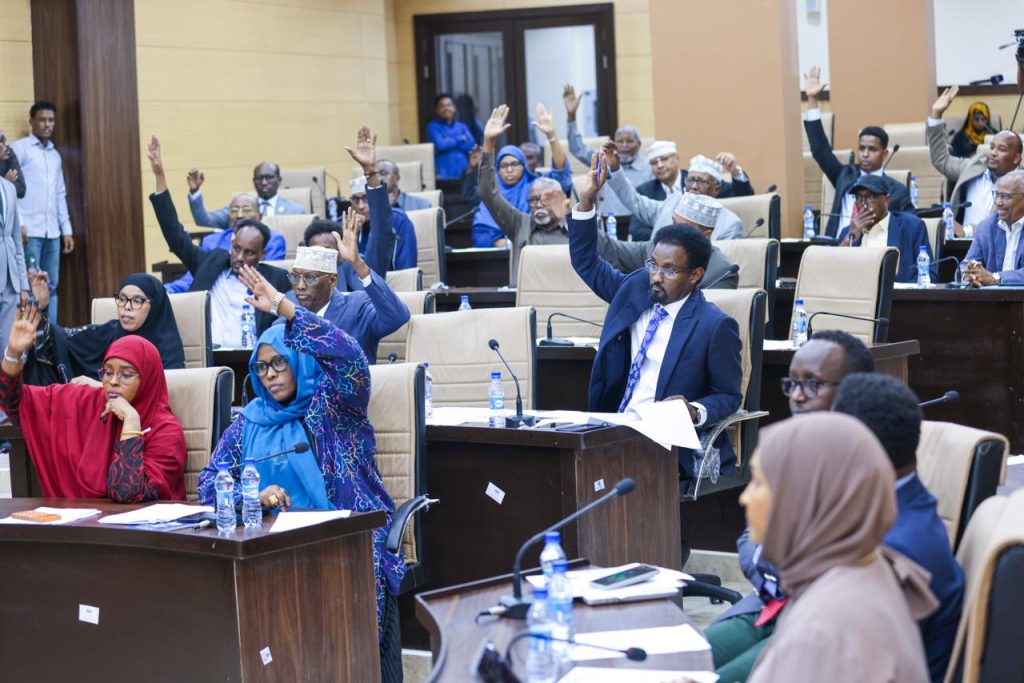
Following parliamentary approval, the Commission entered its operational phase.
On 25 November 2025, the Chief Justice of the Federal Republic of Somalia administered the official oath of office to each member of the National Independent Human Rights Commission, in accordance with constitutional and legal requirements.
By taking the oath, Commissioners formally assumed their responsibilities to act independently and impartially, to uphold the Constitution and the law and serve the Somali people with integrity, professionalism, and fairness.
This moment represented the practical activation of the Commission as a constitutional body.
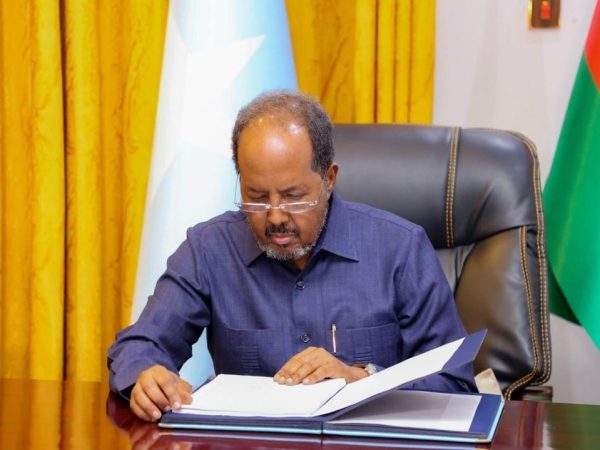
The institutional journey reached its symbolic and legal culmination on 10 December 2025, when the President of the Federal Republic of Somalia formally signed the Commission into law.
The choice of International Human Rights Day for presidential assent carried profound significance, linking Somalia’s national human rights architecture to the global human rights movement and reaffirming the country’s commitment to universal principles of dignity and justice.
Today, the National Independent Human Rights Commission stands as:
The Commission’s work is guided by the Constitution, Law No. 16 (2016), and international human rights standards, and is carried out in close engagement with Parliament, state institutions, civil society, communities, and international partners—while always maintaining its independence.
Today, the National Independent Human Rights Commission stands as:
The Commission’s work is guided by the Constitution, Law No. 16 (2016), and international human rights standards, and is carried out in close engagement with Parliament, state institutions, civil society, communities, and international partners—while always maintaining its independence.