Leadership & Governance

Contents

National Independent Human Rights Commission of Somalia

The National Independent Human Rights Commission of Somalia (NIHRC) is governed through a pluralistic, independent, and constitutionally grounded leadership structure, designed to ensure credibility, professionalism, and full compliance with national law and international standards, particularly the Paris Principles on National Human Rights Institutions.

The governance framework of the Commission reflects Somalia’s constitutional commitment to independence, accountability, and inclusivity, and provides the institutional foundation through which the Commission discharges its mandate impartially and effectively.

Composition of the Commission

In accordance with the Constitution and the establishing law, the Commission is composed of nine (9) Commissioners, appointed through a lawful process and sworn into office by the Chief Justice of the Federal Republic of Somalia.

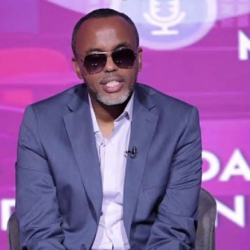
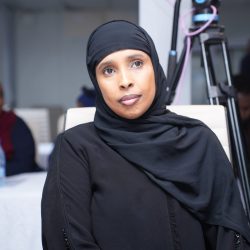
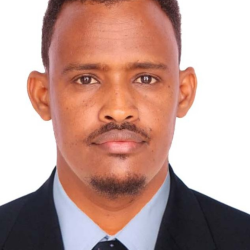
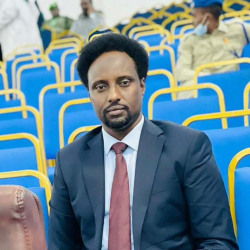
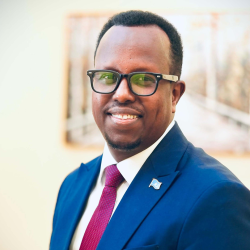
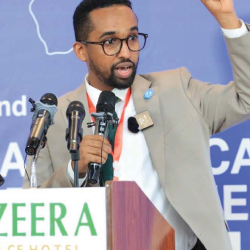
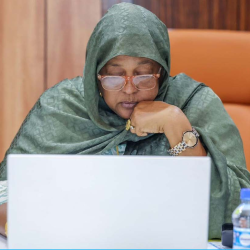
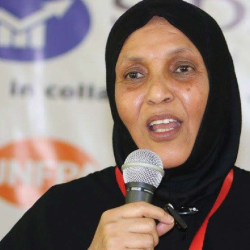
The current Commissioners of the National Independent Human Rights Commission are:

Officials
Commissioners
Secretariat

The composition of the Commission reflects pluralism, encompassing diverse professional backgrounds, gender representation, and expertise, including legal, academic, public policy, and human rights experience. This pluralistic composition is a core requirement of the Paris Principles and is essential to ensuring the legitimacy and public trust of the Commission.
Oath of Office and Assumption of Responsibility

On 25 November 2025, each Commissioner formally assumed office after taking the official oath of office administered by the Chief Justice of the Federal Republic of Somalia.

  • By taking this oath, Commissioners solemnly undertook to:
  • Uphold and defend the Provisional Constitution of Somalia;
  • Discharge their duties independently and impartially;
  • Act with integrity, professionalism, and fairness;
  • Serve the Somali people without fear, favour, or discrimination

The oath marked the moment at which the Commission became fully operational as a constitutional body, with Commissioners legally and morally bound to the highest standards of public service.

Secretariat and Administrative Governance

The Commission is supported by a professional Secretariat, headed by an Executive Director, who is responsible for the day-to-day administration and implementation of Commission decisions.

The Secretariat operates under the authority of the Commission and is accountable to it, ensuring a clear separation between strategic oversight (Commissioners) and operational management (Secretariat)—a key governance standard under the Paris Principles.

Alignment with the Paris Principles

The leadership and governance structure of the Commission is fully aligned with the Paris Principles, particularly with regard to:

  • Independence: Commissioners are protected from undue influence and act free from external control.
  • Pluralism: The composition reflects diversity in gender, expertise, and background.
  • Stability of Mandate: Fixed terms and transparent leadership elections ensure continuity.
  • Functional Autonomy: The Commission determines its own priorities and methods of work.
  • Credibility and Accessibility: Leadership operates collectively and transparently, fostering public trust.

Institutional Significance

The leadership of the National Independent Human Rights Commission represents the custodianship of one of Somalia’s most important constitutional institutions. Through their collective stewardship, Commissioners ensure that the Commission remains:

  • Independent in law and practice;
  • Responsive to the needs of the Somali people;
  • Anchored in constitutional values;
  • Credible nationally, regionally, and internationally.