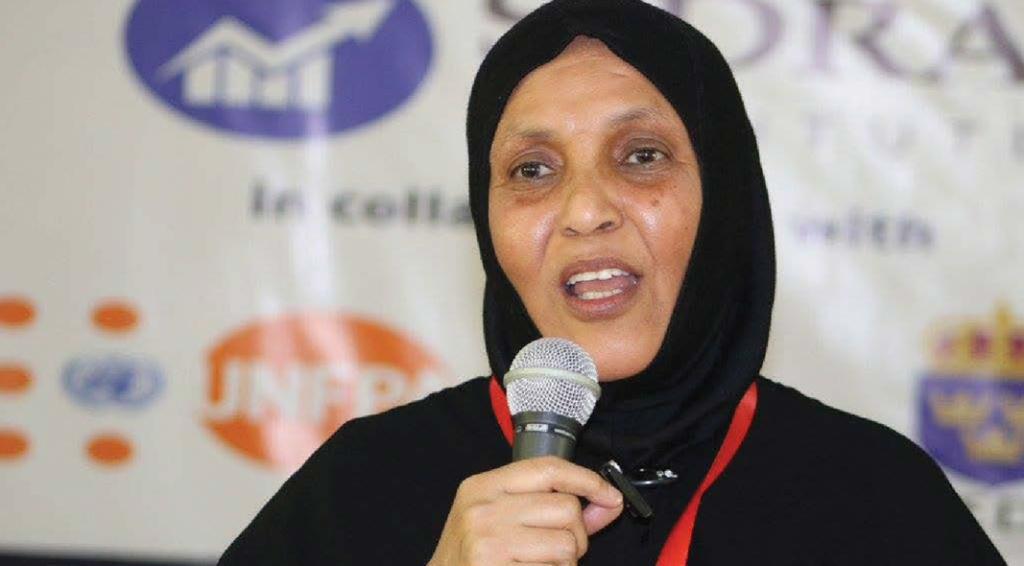
Dr. Maryam Qasim’s recent election as the Chairperson of the Somali National Independent Human Rights Commission (NIHRC) is the latest milestone in a distinguished four-decade career defined by an unwavering commitment to human dignity.
Her appointment brings together a unique blend of frontline medical expertise, high-level policy leadership, and deep humanitarian experience, positioning her as a transformative leader for human rights in Somalia.
Dr. Qasim’s journey began not in politics, but in the delivery rooms and clinics of Somalia, Yemen, the Netherlands, and Great Britain, where she practiced as an obstetrician and gynecologist. This medical background instilled in her a core belief that the protection of the most vulnerable—especially women and children—is the foundation of a healthy society.
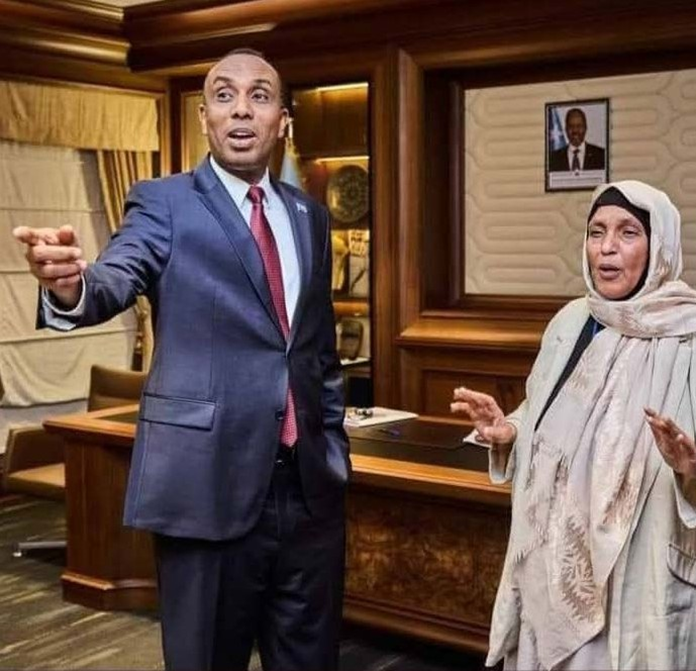
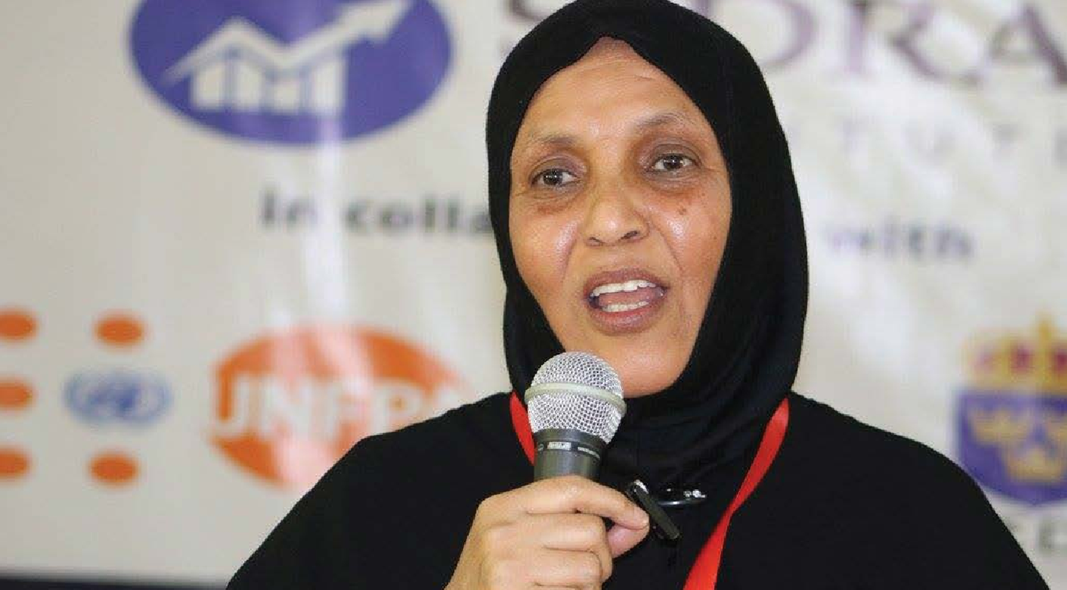
Her work extended beyond hospital walls into community centers and refugee settlements, shaping a lifelong advocacy for maternal and reproductive health as fundamental human rights. This commitment was further solidified in her role as Goodwill Ambassador for CARMMA (2014-2017), where she championed the reduction of maternal mortality across Africa.
Dr. Qasim has been a pivotal figure in shaping Somalia’s social fabric during its most critical periods of rebuilding. As Minister for Women’s Development and Family Welfare (2010-2011) and subsequently as the national Minister for Health, Education, and Social Services (2012-2014), she led key reforms, championed the rights of women and girls, and advanced social welfare initiatives with a focus on access, dignity, and equity.
In 2017, she returned to government at the height of a national humanitarian crisis, taking on the role of Minister for Humanitarian Affairs. This position placed her at the center of disaster management and national recovery, where she coordinated emergency responses with a rare combination of technical expertise and deep human empathy.
Her five-year tenure as Senior Special Advisor on Policy and Strategy at the UNFPA Somalia Country Office (2018-2023) further cemented her influence, shaping national strategies to combat gender-based violence and improve maternal and neonatal health.
Fluent in five languages, Dr. Qasim brings a multicultural perspective essential for engaging diverse stakeholders, from local communities to international bodies. Her career is a living testament to the understanding that human rights are not merely political but are deeply social, structural, and gendered.
Dr. Qasim’s appointment signals a new era for the NIHRC—one anchored not only in the law but in the compassion, care, and proven leadership of a woman who has dedicated her life to ensuring that in Somalia, justice is both a promise and a practice.